Checkered Fabric Design: Creative Uses and Real-World Applications
Checkered fabric design is a timeless pattern that brings a sense of structure, charm, and visual interest to any project. Whether you're into fashion, home décor, or crafting, the versatility of checkered designs makes them an excellent choice for both classic and modern aesthetics. With their distinct grid-like appearance, these patterns can be found in everything from clothing to wall art, offering a blend of tradition and contemporary flair.
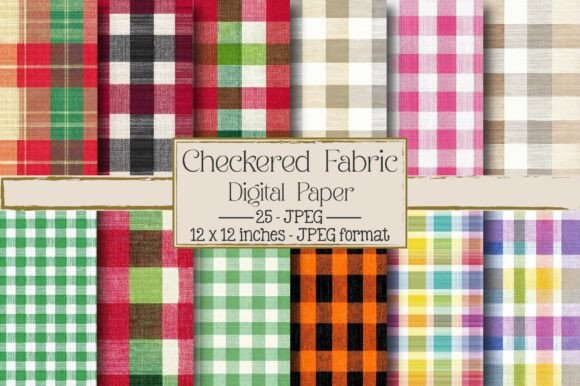
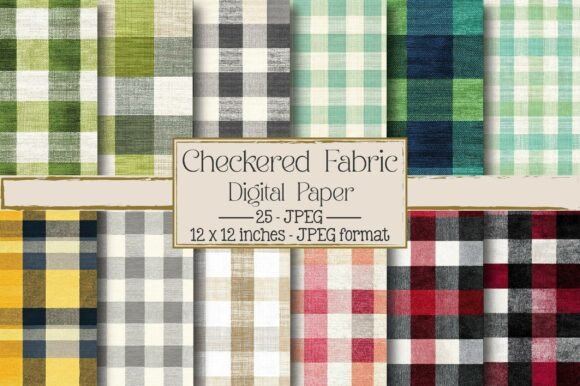
One of the most appealing aspects of working with digital versions of Checkered Fabric Design is the ease and flexibility they offer. If you're looking for high-quality assets, such as 25 Designs JPEG files with a solid color distressed effect, you’re in luck. These files are typically available at 300 dpi resolution, sized 12×12 inches, and come with a transparent background. This setup allows for seamless integration into various projects and easy resizing using different software tools.
Why Choose Digital Checkered Fabric Design?
Digital downloads like Checkered Fabric Design provide instant access to ready-to-use materials. Since no physical item will be sent, you avoid shipping delays and unnecessary packaging. What you get is a set of downloadable JPEG files that can be used right away. However, it’s important to remember that colors may vary depending on your device screen and printer settings. Always double-check how the design looks when printed on your intended material before finalizing your project.
Practical Use Cases for Checkered Fabric Design
- Apparel Printing: T-shirts, hoodies, and tote bags often benefit from bold yet balanced checkered prints. The pattern works especially well in casual wear where a touch of style meets comfort.
- Wall Art and Decor: Create eye-catching canvas prints or framed artwork by applying Checkered Fabric Design to backgrounds or as a central motif. It adds texture without overwhelming the space.
- Scrapbooking and Cards: For those who enjoy personalizing scrapbooks or greeting cards, a distressed checkered pattern offers a rustic or vintage feel. It's perfect for adding subtle depth or as a decorative border.
- Stickers and Labels: Use the transparent background feature to make custom stickers or labels. The clean lines of the checkered design work well for branding, DIY projects, or kids' items.
- Product Packaging: In retail or small business ventures, incorporating checkered elements into packaging gives a professional yet approachable look. Think gift boxes, reusable bags, or even promotional items.
Industries That Can Benefit From Checkered Fabric Design
While the design itself is simple, its applications span multiple industries:
- Fashion Industry: Designers love the adaptability of checkered patterns for creating unique garments, accessories, and even footwear. The pattern can be scaled up or down easily and layered with other textures.
- Home Décor: From throw pillows to curtains, checkered fabric design can transform ordinary household items into statement pieces. Its geometric nature also pairs well with modern furniture styles.
- Education and Craft Stores: Teachers and craft stores frequently use checkered designs for classroom decorations or product templates. They help maintain organization while still being visually engaging.
- Wedding and Event Planning: Distressed checkered patterns add a charming, vintage touch to invitations, table runners, and signage. They're particularly popular in rustic or barn-style weddings.
Choosing the Right Checkered Fabric Design for Your Project
Selecting the best Checkered Fabric Design for your needs involves more than just picking a pattern you like. Consider the following factors:
- Color Scheme: Solid color options allow for customization but also require careful thought about how they'll complement your project. Neutral tones work well for minimalistic designs, while bolder hues can create a vibrant focal point.
- Distressed Effect: A distressed look can give a vintage or weathered appearance. This is great for projects aiming to evoke nostalgia, such as retro-themed merchandise or antique-inspired crafts.
- Resolution and Size: Files at 300 dpi ensure sharp printing, which is essential for professional results. The 12×12 inch size is ideal for smaller items, but since they’re easy to resize, you can scale them up for larger surfaces if needed.
- Software Compatibility: Most design software supports JPEG files, making it straightforward to edit or manipulate the design to fit your creative vision. Make sure you're using a program that allows layer adjustments and transparency support.
Strengths of Using Checkered Fabric Design
The beauty of Checkered Fabric Design lies in its simplicity and adaptability. Here are some key strengths:
- It complements a wide range of colors and styles due to its structured layout.
- The distressed effect adds character, making it suitable for both urban and rural aesthetics.
- With a transparent background, you can overlay the design onto different surfaces or images effortlessly.
- High-resolution files ensure clarity and professionalism when printed on various materials.
Potential Limitations and Things to Watch Out For
Although versatile, there are a few limitations to keep in mind:
- Some printers may not reproduce the exact color shades shown on-screen, so always do a test print if possible.
- Overuse of the same pattern can lead to a cluttered or outdated look. Balance is key.
- If you're planning to use the design in commercial products, verify whether the file comes with appropriate licensing for resale or reproduction.
Real-World Scenarios Where Checkered Fabric Design Shines
Let’s explore some everyday situations where Checkered Fabric Design can make a big impact:
1. Custom T-Shirts for a Music Festival: You’re organizing a music event and need branded apparel for volunteers and attendees. By using a Checkered Fabric Design with a distressed effect, you can achieve a laid-back, artistic vibe that resonates with festival-goers. The pattern stands out under stage lights and feels authentic to the event’s theme.
2. Rustic Wedding Invitations: Planning a countryside wedding? Incorporate a checkered pattern into your invitations and place cards. The distressed look gives off a handmade, romantic aesthetic. The transparent background ensures the design integrates smoothly with watercolor illustrations or photographs.
3. Vintage-Themed Scrapbook Layouts: Scrapbook enthusiasts can elevate their layouts with checkered accents. The pattern acts as a subtle frame or divider between photos and journaling, helping to organize content without drawing too much attention away from the memories themselves.
4. Wall Art for Modern Interiors: In a minimalist living room, a large print of Checkered Fabric Design can serve as a conversation starter. Pair it with neutral tones and metallic accents to balance the boldness of the pattern while maintaining a sleek, contemporary feel.
5. Classroom Supplies and Learning Materials: Teachers can use checkered designs on folders, binders, or flashcards. The pattern helps students differentiate between subjects or grade levels while keeping the environment visually stimulating and organized.
How Different Audiences Might Use Checkered Fabric Design
Various audiences have unique ways of benefiting from this design:
- Artists: Use it as a base for mixed-media projects or combine it with other textures for added dimension.
- Crafters: Apply it to DIY items like coasters, tote bags, or patchwork quilts for a cohesive look across multiple pieces.
- Entrepreneurs: Leverage the design for branding purposes—think logo patches, custom packaging, or promotional stickers.
- Interior Designers: Integrate it into upholstery or wallpaper for a fresh twist on traditional interiors.
- Event Planners: Add a touch of sophistication to banners, menus, or signage with a subtly distressed checkered backdrop.
Getting Started with Your Checkered Fabric Design Files
Once you’ve downloaded the JPEG files, the next step is to bring them into your workflow. Open them in your preferred graphic design software—Adobe Photoshop, Illustrator, or even free tools like GIMP or Canva. Because the files are already isolated with a transparent background, you won’t need to spend time cutting out the design manually. Simply adjust the size and position according to your project’s requirements.
If you’re new to editing digital fabric designs, start by experimenting with scaling and layer blending. Try placing the checkered pattern over a photo or a gradient to see how it interacts. Once you’re comfortable, you can move on to more advanced techniques like masking or combining the design with text for t-shirt graphics or posters.
Tips for Printing Checkered Fabric Design
When it comes to printing, here are a few tips to ensure the best outcome:
- Always print a test swatch to confirm color accuracy and texture.
- Use matte or textured paper for a more realistic fabric feel in printed art.
- For fabric printing, consider the type of ink and heat transfer method required by your printer.
- Align the pattern correctly during the design phase to avoid misprints or uneven spacing after scaling.
Final Thoughts on Using Checkered Fabric Design
Checkered Fabric Design isn't just a pattern—it's a tool that can enhance creativity, streamline production, and connect with audiences in meaningful ways. Whether you're designing for a hobby or a business, the right checkered pattern can make all the difference. With 25 JPEG files, each featuring a solid color and distressed effect, you’ll have plenty of options to choose from and experiment with.
Remember to stay mindful of color consistency, file quality, and the purpose behind your design. Let your imagination guide you, and don’t hesitate to mix and match the checkered pattern with other elements to suit your vision. As long as you understand the context and audience, you’ll find endless opportunities to apply this classic design in fresh, innovative ways.