Pizza Vector Pattern: Creative Uses for Designers and Marketers
Vector patterns have become essential tools in the world of graphic design, offering scalable, high-quality visuals that adapt seamlessly to any project. Among the most versatile and visually engaging is the Pizza Vector Pattern, which combines the charm of Italian cuisine with the flexibility of vector art. Whether you're designing a logo, creating packaging, or planning digital content, a pizza-themed vector pattern can add warmth, flavor, and a touch of fun to your work.
What Is a Pizza Vector Pattern?
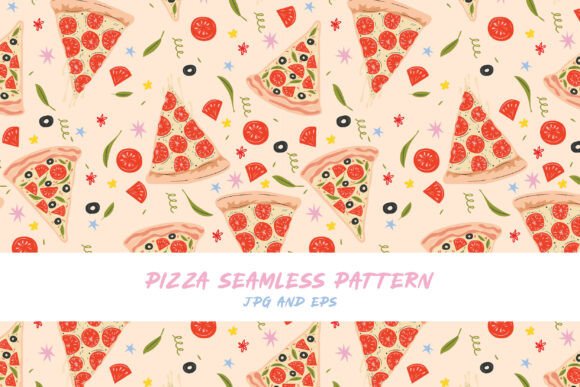
A Pizza Vector Pattern is a repeating design made up of vector elements related to pizza—like pepperoni slices, olives, basil leaves, and tomatoes. These patterns are often created in formats like EPS (Encapsulated PostScript), allowing for crisp, scalable graphics without losing quality at any size. The 5000x5000 px resolution ensures it works well for both print and digital use, from large posters to small icons.
One of the key features of this type of pattern is its ability to be customized. Unlike static images, vector files let you modify colors, scale components individually, and integrate them into other designs. This makes the Pizza Vector Pattern an excellent choice for businesses in the food industry or anyone looking to incorporate a casual, appetizing theme into their creative projects.
Creative Possibilities with Pizza Vector Patterns
The beauty of the Pizza Vector Pattern lies in its adaptability. Here are some ways you can use it creatively across different mediums:
- Restaurant Branding: Use the pattern as a background for menus, loyalty cards, or social media banners. A subtle pepperoni and olive layout can evoke a sense of authenticity and comfort.
- Food Packaging: Apply it to pizza box wraps, seasoning bags, or branded merchandise. Its seamless nature allows for continuous repetition that looks professional and cohesive.
- Web Design: Incorporate the pattern into website headers, buttons, or section dividers for pizza delivery services or food-related blogs. It adds visual interest without overwhelming the user experience.
- Print Media: From coasters to T-shirts, the pattern can be used to create eye-catching designs that resonate with food lovers.
- Editorial Work: Add a playful element to recipe books, cooking magazines, or blog posts by using the pattern in headers or decorative elements.
Pepperoni Slice Vector Elements
Pepperoni slices are among the most recognizable parts of any pizza. In the Seamless Vector Pattern, they can serve as bold accents or minimalist outlines depending on your style preference. Their circular shape makes them ideal for creating symmetry and rhythm within the pattern.
Designers might choose to highlight pepperoni in red or leave it as a silhouette to blend with other ingredients. When paired with cheese textures or crust lines, they help tell a story about the pizza itself, making the pattern feel more authentic and appetizing.
Olive and Tomato Vector Accents
Olive and tomato elements bring color variety and texture to the Pizza Vector Pattern. Olives, typically rendered in deep green or black, contrast nicely with the red of the tomatoes. These two ingredients are staples in many pizza styles and can symbolize balance and flavor diversity in your design.
Use these elements sparingly to avoid clutter or strategically repeat them to guide the viewer's eye through the pattern. For example, placing olives along the diagonal can create movement, while evenly spaced tomatoes can offer a clean, organized look.
Basil Leaf Vector Details
Basil leaves are not only a vital component of classic pizzas but also add a fresh, natural aesthetic to any vector pattern. Their organic shapes and soft curves can break up the rigidity of pepperoni and tomato arrangements, making the overall design feel more dynamic and inviting.
Incorporate basil leaves as borders, corner accents, or even as part of a layered composition. They’re especially effective when using a watercolor or hand-drawn vector style, adding a tactile and artisanal feel to your work.
Adapting the Pattern for Different Audiences
Depending on who you're targeting, the way you use the Pizza Vector Pattern should evolve. Here’s how different professionals can leverage it:
For Designers
If you're a designer working with clients in the food industry, consider using the pattern in a minimalist style for modern branding or a rustic look for family pizzerias. You can also experiment with gradients, overlays, or layer blending to give the pattern depth and dimension.
Tip: Keep the base colors muted if the pattern will be used as a background. Let the pizza elements act as subtle texture rather than the main focus.
For Marketers
Marketers can benefit from the pattern’s versatility in campaigns around food festivals, promotions, or themed events. Use it in email templates, landing pages, or social media assets to reinforce brand identity and connect emotionally with audiences.
Example: A pizza restaurant launching a new summer menu could feature a vibrant pattern with basil leaves and tomatoes in their promotional materials to evoke freshness and healthfulness.
For Bloggers and Publishers
Bloggers and publishers can enhance visual storytelling with the Pizza Vector Pattern. It’s perfect for headings in articles about food culture, DIY pizza recipes, or local pizzeria spotlights. The pattern can also be used as a watermark for printable guides or free downloads.
Recommendation: Combine the pattern with simple typography to maintain readability. Avoid using too many overlapping elements unless the goal is to create a whimsical, nostalgic vibe.
For Educators and Entrepreneurs
Educators can use the pattern in classroom materials to teach design principles or discuss food science topics. Entrepreneurs might apply it to product designs for kitchenware, pizza-making kits, or branded apparel.
When teaching, encourage students to explore how varying the density and arrangement of the pattern affects perception. In business settings, ensure the pattern aligns with your brand values—whether it’s traditional, trendy, or gourmet.
Practical Tips for Using Seamless Vector Patterns
Working with a seamless vector pattern requires attention to detail and structure. Here are some guidelines to help you make the most of your 5000x5000 px JPG file:
- Understand the Repeat: Test the pattern tile in your design software to ensure there are no visible seams when repeated.
- Layer Strategically: Place text or logos over the pattern in transparent layers to keep them readable and prominent.
- Scale with Care: Because the pattern is high-resolution, always scale it proportionally to maintain clarity and sharpness.
- Customize Colors: Change the hues of the pizza elements to match your brand palette. This increases the pattern’s usability across multiple projects.
- Balance Visual Weight: If the pattern feels too busy, reduce the number of elements per tile or simplify their outlines for a cleaner look.
Where to Use Your Pizza Vector Pattern
The applications for a Seamless Vector Pattern are vast. Here are some specific platforms and formats where it can shine:
- Adobe Illustrator: Ideal for customizing and manipulating individual vector elements.
- Canva or Figma: Great for applying the pattern as a background in marketing materials or web mockups.
- Print Shops: Share the EPS file for high-quality printing on items like mugs, aprons, or tablecloths.
- SVG Websites: Convert the pattern for use on SVG-compatible platforms to allow interactive elements or animations.
- Merchandise Design: Apply it to T-shirts, tote bags, or stickers for a fun and marketable product line.
Real-World Project Ideas
Here are a few real-world examples of how you can implement the Pizza Vector Pattern in practical projects:
- Pizza Box Wrap: Print the pattern on eco-friendly paper for a unique, reusable takeout box design.
- Website Header: Use a light version of the pattern behind a call-to-action button for a food delivery site.
- Recipe Card Background: Create a set of downloadable recipes with the pattern subtly showing through a semi-transparent overlay.
- Event Poster: Design a poster for a pizza night or food festival with the pattern as a border or full background.
- Branded Merch: Turn the pattern into a repeating motif on hoodies, phone cases, or notebooks for a quirky yet professional touch.
Styling Variations to Consider
To keep your designs fresh and original, consider experimenting with different styling variations of the Pizza Vector Pattern. Below are a few approaches to spark your creativity:
Minimalist Style
Strip down the pattern to simple outlines of pepperoni and olive shapes. Pair it with a neutral color scheme and white space to emphasize elegance and sophistication.
Retro or Nostalgic Style
Use a distressed filter, vintage fonts, and warm tones to create a retro pizza parlor vibe. This is particularly useful for brands aiming to evoke nostalgia or a home-cooked feel.
Flat Design Approach
Stick to solid colors and geometric shapes for a modern, flat design. This style is popular in app interfaces and digital marketing materials due to its clarity and simplicity.
Watercolor Texture
Overlay the pattern with a watercolor brush texture to give it a handmade, artisanal look. This is great for cookbooks, food photography backdrops, or craft projects.
Ensuring Clarity and Consistency
While the Pizza Vector Pattern offers a lot of visual appeal, it’s important to maintain clarity and consistency in your final output. Here’s how:
- Limit the number of pizza elements per tile to prevent overcrowding.
- Use consistent spacing between each ingredient to keep the pattern balanced.
- Test the pattern in grayscale to ensure it still functions well without color.
- Keep the pattern’s alignment tight so it repeats smoothly across surfaces.
- Match the pattern’s tone and style with the rest of your design elements for cohesion.
Final Thoughts on Pizza Vector Patterns
The Pizza Vector Pattern isn’t just about aesthetics—it’s a tool for connection. Food has a powerful emotional impact, and integrating familiar elements like pepperoni, olives, basil, and tomatoes into your designs can make your message more relatable and memorable.
Whether you’re a designer seeking inspiration, a marketer crafting a campaign, or an entrepreneur building a product line, this pattern gives you the flexibility to express your vision clearly and creatively. With the right approach, it can elevate your work and engage your audience in meaningful ways.
So go ahead—explore the possibilities of the Seamless Vector Pattern and let the joy of pizza inspire your next project.